- Professional Risks Insurance
- Private Clients
- Farms & Estates
- Commercial Clients
- Wholesale Insurance Broking
- Claims
- About
- Contact
- Log in

Log in

About us
Latest Insurance News
29.10.25
Preparing Your Home for Winter: A Guide for the Season Ahead
As colder weather approaches now is the time to take steps in preparing your home for winter, which is both sensible and cost-effective. A few proactive measures can improve comfort, enhance energy efficiency and reduce the risk of costly damage or insurance claims.
Strengthen Insulation and Reduce Heat Loss:
Draughts and poor insulation remain the biggest causes of heat loss. Check for gaps around windows and doors and seal them where necessary. Adding draught excluders, secondary glazing and thick, lined curtains can make a noticeable difference.
Simple steps such as insulating your hot water cylinder, fitting radiator reflector panels and lagging exposed pipes will also help to retain warmth and help prevent burst pipes.
- Service boiler, bleed radiators, Seal gaps & Insulate pipes
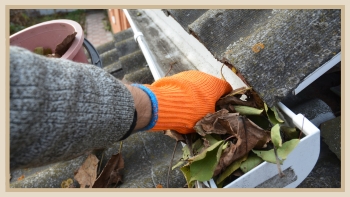
- Clear gutters & check roof for damage
- Review insurance cover (rebuild value, contents, collections)
- Photograph property & grounds before storms
- Secure outdoor items, furniture & ornaments
- For estates & listed homes: inspect outbuildings, trees & heritage features
Routine Checks and Seasonal Maintenance:
Before the cold sets in, ensure your property is in good order. Clear gutters and downpipes of leaves and debris, inspect the roof for loose tiles or cracks, and test your boiler so it is ready for heavy use.
Bleed radiators if they are not heating evenly, and keep an eye on areas prone to condensation, as persistent damp and mould can create longer-term issues. Don’t forget to top-up your boiler after you have bled your radiators.
Keeping a simple maintenance log with photographs can provide useful evidence if you ever need to make an insurance claim. It also demonstrates a proactive approach to property care.
Managing Weather Risks and Insurance Cover:
Flooding, storms and heavy rain are increasingly common across the UK, even in areas not traditionally considered high risk. It is worth checking that your home insurance accurately reflects the current rebuild value of your property and the true worth of your contents.
Photographing your home and garden before severe weather hits can also strengthen any claim should damage occur.
Staying Storm-Ready:
Autumn and winter storms can strike quickly. Sign up for local weather alerts and secure or store outdoor items such as furniture, pots and ornaments ahead of high winds. These small steps can prevent avoidable damage and disruption.
Estate and Grounds Management:
Large gardens, parkland and outbuildings bring additional considerations. Trees should be inspected and maintained to reduce the risk of storm damage. Private roads and driveways may also require winter-readiness planning, including access for emergency services should severe weather occur.
In summary: Preparing your home for winter is about protecting your property, managing costs and reducing risks. By taking practical action now, you can face the colder months with confidence and peace of mind.
Information provided by Harrison Law, (Cert CII) Head of Commercial & Private Clients, Cox Mahon Ltd.
Request More Information Form
Complete the details below and we will contact shortly.