- Professional Risks Insurance
- Private Clients
- Farms & Estates
- Commercial Clients
- Wholesale Insurance Broking
- Claims
- About
- Contact
- Log in

Log in

About us
Latest Insurance News
19.01.26
How to Prevent Catalytic Converter Theft in Commercial Fleets
Catalytic converter theft remains a persistent threat across the UK, posing significant risks for organisations that rely on vehicle fleets. These thefts not only result in costly repairs but can also lead to operational downtime, reputational damage and increased insurance claims. According to recent reports, hybrid and delivery vehicles are being targeted more frequently, with thefts increasing in many regions despite stronger scrap-metal regulations and awareness campaigns.
Criminal groups have become increasingly organized, often striking multiple vehicles in a single night, and the financial impact can be substantial. Beyond the price of replacement parts, fleet managers face indirect costs such as hire vehicle fees, schedule delays and lost productivity. As a result, catalytic converter theft is no longer just an isolated crime but a persistent business risk that requires a coordinated security response.
This article explains why these devices are frequently targeted and how fleet managers can help prevent theft.
Why Catalytic Converters Get Stolen
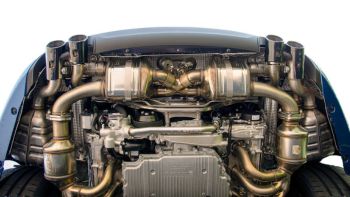
Catalytic converters form part of a vehicle’s exhaust system, converting harmful gases into less toxic emissions. In the UK, catalytic converters have been a legal requirement for new petrol vehicles since the early 1990s. Unfortunately, their valuable metal content has made them a prime target for organised crime.
Thieves steal catalytic converters for several key reasons, including the following:
- Ease of removal – A catalytic converter can often be removed in just a few minutes using high-powered cutting tools. Vans, SUVs and other vehicles with higher ground clearance are especially vulnerable, as thieves can slide underneath without any lifting equipment.
- High resale value – Each unit contains small quantities of precious metals such as platinum, palladium and rhodium, all of which have experienced sharp price increases in recent years.
- Attractive targets – Hybrid vehicles often have catalytic converters that are in better condition and yield more recoverable precious metals since petrol engines run less frequently, making them particularly desirable.
- Lack of traceability – Catalytic converters may lack unique serial numbers, making it difficult for police or recyclers to identify stolen parts.
Why it Matters for Organisations
Fleet vehicles, especially vans, delivery vehicles and hybrids, are frequent targets due to their height and the number of vehicles often parked together. When a catalytic converter is stolen, the vehicle becomes unusable until repaired, leading to downtime, schedule disruption and lost productivity.
Repeated incidents can also undermine customer confidence, especially for service-based organisations that rely on timely deliveries or site visits. Beyond repair costs, repeated thefts may contribute to higher insurance premiums and administrative burdens linked to claims and replacements.
How to Prevent Theft
While tougher scrap-metal rules and police crackdowns have slowed the trade in stolen parts, fleet managers must still take proactive steps to protect their vehicles. Consider the following preventive measures:
- Install anti-theft devices. Steel plates, protective covers or specialist cages can make catalytic converters more difficult to remove. Fleet operators can also install motion sensors or alarms to deter intruders in parking areas.
- Enhance parking security. Whenever possible, park fleet vehicles in locked compounds or monitored car parks with CCTV and bright lighting. Avoid leaving vehicles in isolated or poorly lit areas overnight.
- Mark or paint catalytic converters. Use high-temperature fluorescent paint to make converters more visible and discourage resale. Adding identification, such as an etched registration number or fleet ID, can help police trace stolen parts.
- Implement surveillance systems. CCTV, motion detection lighting and regular patrols can discourage criminal activity. Parking vehicles in a formation that restricts access to their undersides (e.g. bumper-to-bumper or close to walls) can also help.
- Educate drivers and staff. Encourage employees to report suspicious activity around fleet vehicles. Regular driver training sessions can help raise awareness and promote consistent prevention practices.
- Review security protocols. Conduct periodic reviews of parking facilities and update lighting, locks and alarm systems where needed. Work with landlords or site managers to ensure industrial estates and depots remain secure.
- Purchase comprehensive motor fleet insurance. This cover can help offset the cost of replacement parts, repairs and downtime following theft. Ensure your insurer is aware of any enhanced security measures, as this may reduce premiums.
Responding to a Theft
If a catalytic converter is stolen, follow these steps:
- Report the theft to the police immediately. Provide any CCTV footage or identifying marks to aid recovery.
- Notify your insurer and fleet-management team. Early reporting helps expedite claims and repairs.
- Avoid driving the vehicle. Operating a vehicle without a catalytic converter can cause damage and is likely to breach emissions laws.
- Document the incident. Keep records of theft locations, times and vehicle types to identify patterns and strengthen prevention efforts.
Conclusion
Catalytic converter theft remains a persistent challenge for UK fleet operators. Beyond the cost of replacement, the impact on operations and customer service can be significant. By implementing layered security measures, ranging from secure parking to staff awareness, organisations can reduce their exposure and maintain business continuity.
Fleet managers should also stay informed through local police alerts and industry updates to monitor emerging crime trends. Investing in prevention today can help ensure fleet safety, maintain operational resilience and protect your organisation’s reputation.
For more risk management guidance and robust insurance covers, contact us today.
Information provided by Zywave and contributed to by Harrison Law, (Cert CII) Head of Commercial & Private Clients, Cox Mahon Ltd.
Request More Information Form
Complete the details below and we will contact shortly.
The content of this Risk Insights is of general interest and is not intended to apply to specific circumstances. It does not purport to be a comprehensive analysis of all matters relevant to its subject matter. The content should not, therefore, be regarded as constituting legal advice and not be relied upon as such. In relation to any particular problem which they may have, readers are advised to seek specific advice. Further, the law may have changed since first publication and the reader is cautioned accordingly. © 2025 Zywave, Inc. All rights reserved.